
Climbing Mount Toubkal: A 2-Day Trek Guide to North Africa's Highest Peak
Everything you need to summit 4,167 m Jebel Toubkal in two days — permits, route choice, refuge bookings, gear and altitude tips from a working mountain guide.
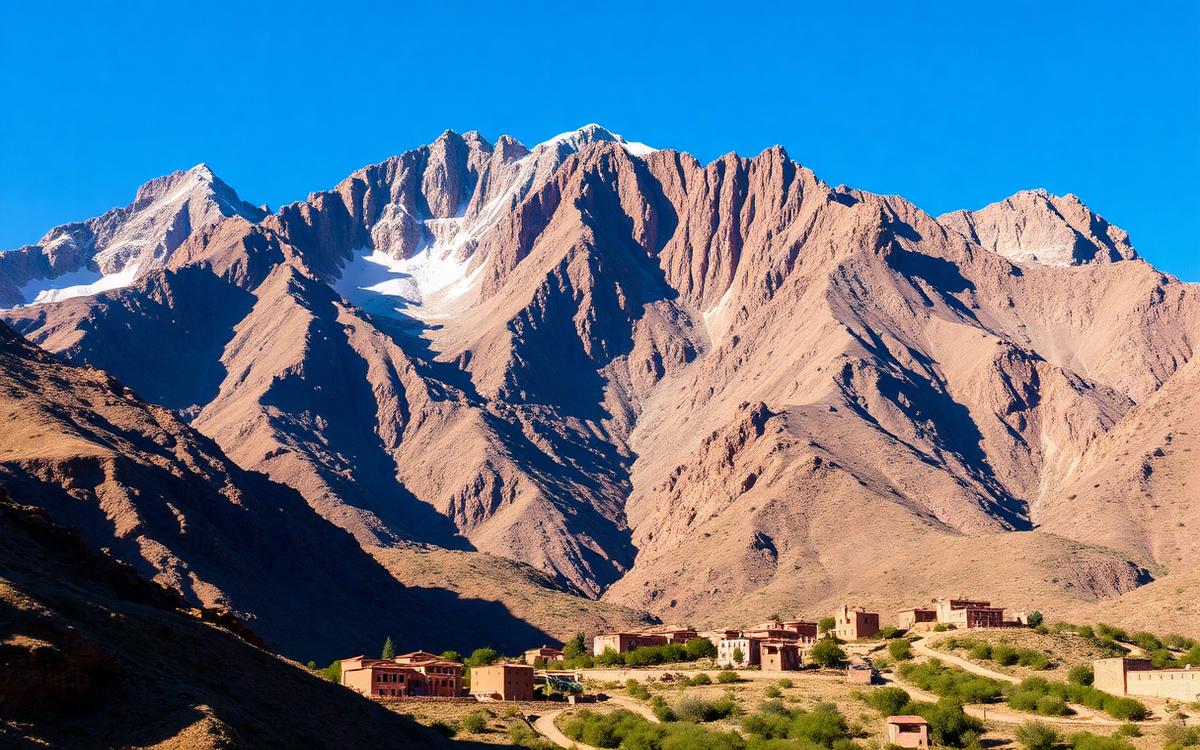
At 4,167 metres, Jebel Toubkal is the roof of North Africa. From the summit on a clear morning you can see the Sahara to the south and the Atlantic glittering 200 km to the west. Better still, it is one of the few 4,000-metre peaks in the world that fit non-technical hikers can reach in a weekend from a major city.
This guide walks through the classic two-day Imlil ascent — the route I have led with hundreds of clients since 2014 — with honest notes on what makes it harder than internet itineraries suggest.
The Route at a Glance
Day 1 climbs roughly 1,400 vertical metres from the village of Imlil (1,740 m) to the Refuge du Toubkal (3,207 m). Distance is short — about 11 km — but the altitude bites in the last two hours. Day 2 is a 3 a.m. start to summit, descend back to the refuge for breakfast, then continue all the way down to Imlil. Total elevation gain over two days: roughly 2,400 metres up, 2,400 metres down.
Permits and the Mandatory Guide Rule
Since 2019, all foreign trekkers in the Toubkal National Park are required to be accompanied by a licensed Moroccan mountain guide (accompagnateur de montagne or guide de haute montagne). The rule is checked at the police post above Aroumd. The fine for trekking without a guide is meaningful and they do enforce it. A licensed guide for the two-day trek costs 1,200–1,800 MAD (110–170 EUR) and is shared across the group.
Refuge du Toubkal — Book Ahead
There are two refuges at 3,207 m: the older CAF (Club Alpin Français) refuge and the newer Refuge Mouflon. Both fill in season (April–May, September–October). Reserve at least a month in advance for weekends. Dorms cost 200–300 MAD per night with half-board.
Altitude Reality Check
Toubkal is not technical but it is high. Around one in five trekkers I guide develops a headache above 3,500 m, and roughly one in twenty has to turn back. Sleeping at 3,200 m the night before the summit helps, but it does not eliminate risk. If you have never been above 3,000 m, consider an acclimatisation day in Imlil (1,740 m) and an afternoon walk to Sidi Chamharouch (2,310 m) before the main climb.
Gear List
- Real hiking boots with ankle support; trail runners are not enough for the scree above the refuge.
- Microspikes from November to April (the upper slopes hold ice patches even into May).
- Headlamp — non-negotiable for the 3 a.m. start.
- Down or synthetic jacket; summit temperature is often -5 to -10°C even in June.
- Sunglasses and high-SPF sunscreen — snow glare is intense.
- 2 litres of water capacity; refill at the spring 30 minutes above Aroumd.
Best Months
Late April to early June and mid-September to early November give the best conditions: stable weather, melted snow on the main route, mild refuge nights. Winter ascents (December to March) are possible but require crampons, an ice axe and a guide rated for winter conditions.
Combining Toubkal with the Sahara
Many travellers ask whether they can stack a Toubkal climb with the classic Merzouga desert tour. Yes — but allow at least one rest day in Marrakech between them. The combined load (4,167 m altitude followed by ten hours of driving) is brutal on the body. A workable seven-day itinerary is Marrakech → Toubkal (2 days) → rest day → Sahara (3 days) → Marrakech.
Key Takeaways
- Two days is the standard Toubkal itinerary; add an acclimatisation day if you are new to altitude.
- Foreign trekkers must hire a licensed Moroccan guide — the rule is enforced.
- Reserve the Refuge du Toubkal at least a month ahead in spring and autumn.
- April–June and September–November are optimal months.
- Pair Toubkal with the Sahara only with a rest day between them.
Frequently Asked Questions
Do I need climbing experience for Toubkal?
No. The standard route is a walking ascent on a marked path. Above the refuge it is steep scree and, depending on season, snow — but no rope work is required.
How fit do I need to be?
If you can comfortably walk uphill for 6 hours with a 6 kg pack at sea level, you can reach the refuge. The summit push adds 4 more hours of slow walking at altitude.
Can I trek Toubkal in summer?
Yes but it gets hot below 2,500 m and crowded at the refuge. Start the second day earlier (2:30 a.m.) to summit before the sun hits the eastern face.
Keep reading
Sources & references
Plan your Morocco trip
Browse our category guides or get in touch with the editorial team.
Contact usRelated guides
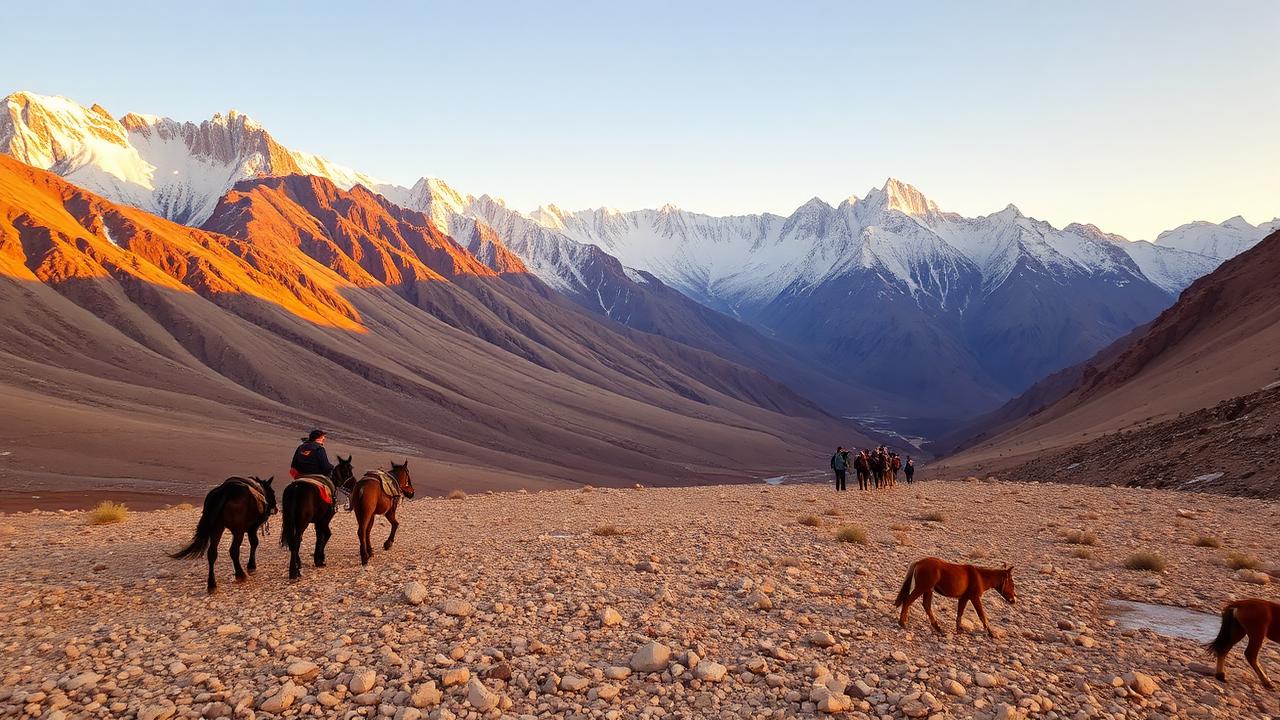
M'Goun Traverse: A 6-Day Trek Across Morocco's Second Highest Massif
Beyond Toubkal — a quieter, longer, more beautiful trek across the M'Goun range with Berber villages every night.
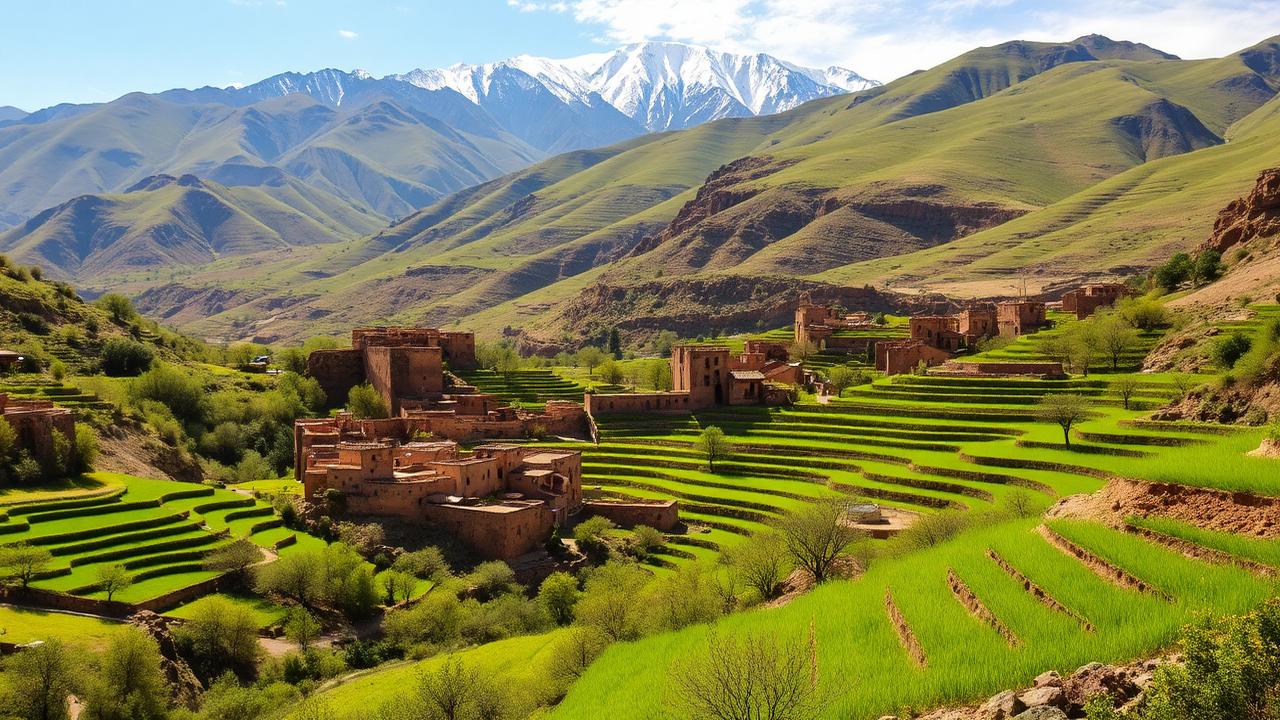
Ait Bouguemez: A Slow Travel Guide to Morocco's 'Happy Valley'
A high, green Berber valley where time slows down — what to see, where to stay and how to get there.
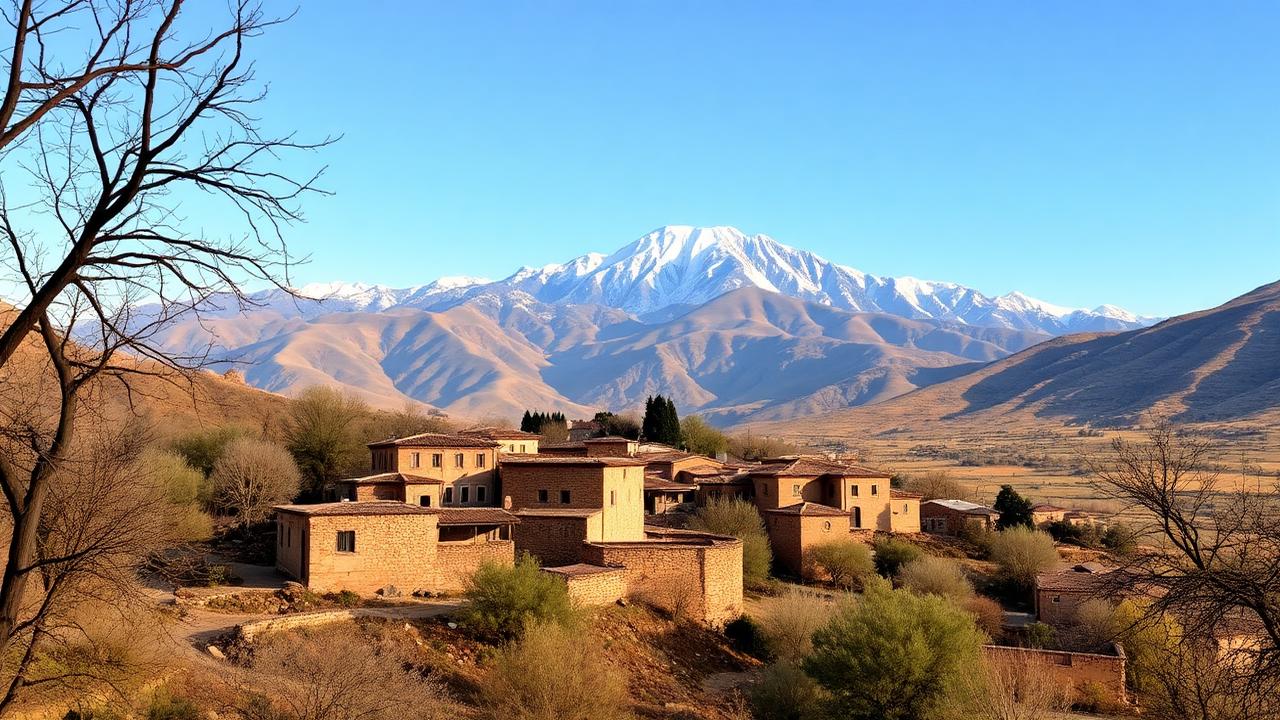
Imlil: Morocco's Trekking Basecamp Village in the High Atlas
What to do in Imlil beyond launching the Toubkal trek — day walks, guesthouses, food and culture.