
The Ultimate Sahara Desert Tour from Marrakech: 3-Day Merzouga Itinerary
A complete, honest guide to the classic 3-day Marrakech to Merzouga desert tour — what to pack, what to pay, and what nobody tells you about the camel trek.
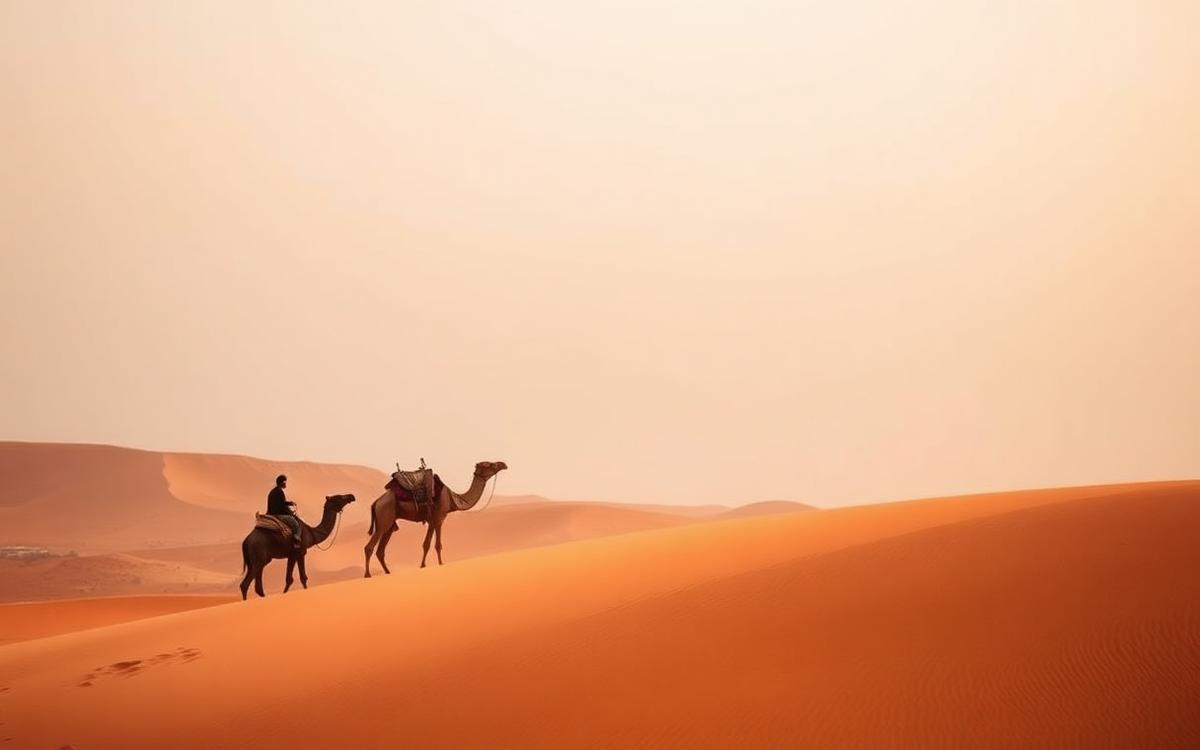
The Sahara desert tour from Marrakech is, for most travellers, the single most memorable thing they do in Morocco. Three days, two nights, more than 1,000 kilometres of switchback roads, palmeraies, kasbahs and finally an ocean of orange sand at Erg Chebbi. It is also one of the most misunderstood trips in the country — over-sold by the cheapest agencies, under-explained by the bigger ones. This guide breaks down exactly what happens day by day, what a fair price looks like in 2025, and the small decisions that separate a magical desert night from a sleepless, freezing one.
I have led versions of this route since 2017, both as a private driver-guide and as a designer of group itineraries. The notes below are the ones I give friends, not the ones printed on glossy brochures.
Why the 3-Day Merzouga Route Is Still the Best Introduction to the Sahara
Morocco has two main Saharan dune fields accessible to travellers: Erg Chebbi near Merzouga (east) and Erg Chigaga near M'Hamid (south). Both are stunning. Chigaga is wilder and far less developed; Chebbi is taller, more photogenic and reached by paved road right to the foot of the dunes. For a first visit and a tight three days, Chebbi wins every time. You spend less time on dirt tracks and more time actually in the desert.
Day-by-Day Itinerary
Day 1: Marrakech → Ait Ben Haddou → Dades Valley
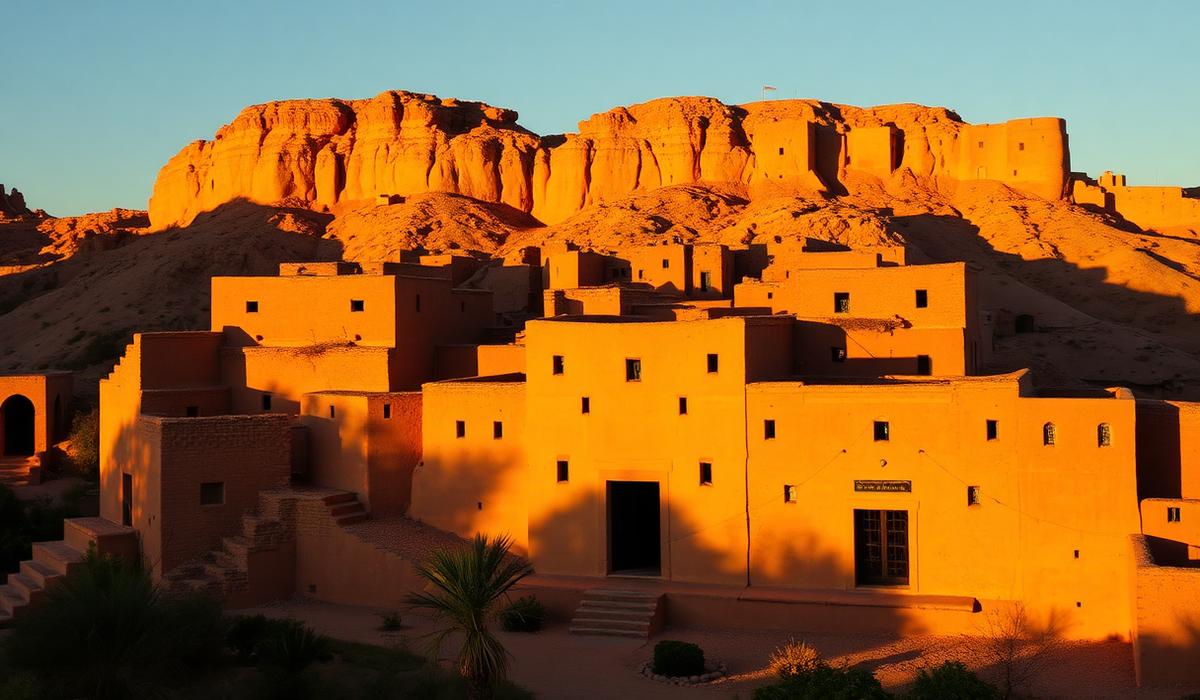
Departure is early — 7:00 to 7:30 a.m. The first major pass is Tizi n'Tichka (2,260 m), recently rebuilt as a wide modern road. You cross from the green High Atlas into pre-Saharan red rock in under three hours. By late morning you reach Ait Ben Haddou, the fortified ksar famous from Gladiator, Game of Thrones and the original The Mummy. Spend ninety minutes climbing through it; the upper agadir gives the best photographs and is rarely crowded after 11 a.m.
Lunch in Ouarzazate (the so-called Hollywood of Africa), then a slow afternoon drive through the Valley of a Thousand Kasbahs along the Dades River. You overnight in Dades Gorge in a small hotel built into the rock walls. Ask for a room facing the canyon — the cliffs glow pink at sunset.
Day 2: Dades Gorge → Todra Gorge → Merzouga Dunes
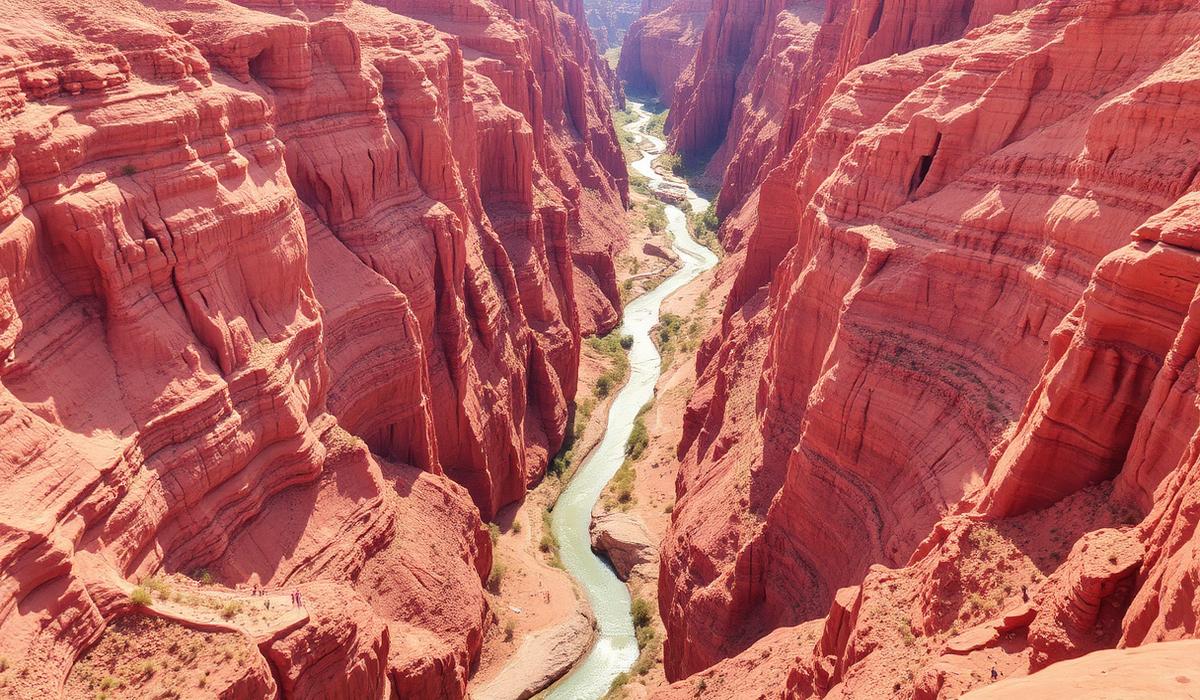
After breakfast, a short drive takes you to Todra Gorge, where a stream cuts a 300-metre-deep slot canyon barely 10 metres wide at the base. Walk the gorge floor for an hour. Climbers from Europe come here in winter; if you are one, this is your scouting moment.
The afternoon is the longest drive of the trip: four to five hours east to Merzouga, with a stop at the Erfoud fossil workshops where craftsmen polish 360-million-year-old marine fossils out of black limestone. You arrive at the edge of Erg Chebbi by 4:30 p.m. Camels are waiting. The trek to camp takes about ninety minutes and the timing is deliberate — you ride into the camp as the sun sets behind you.
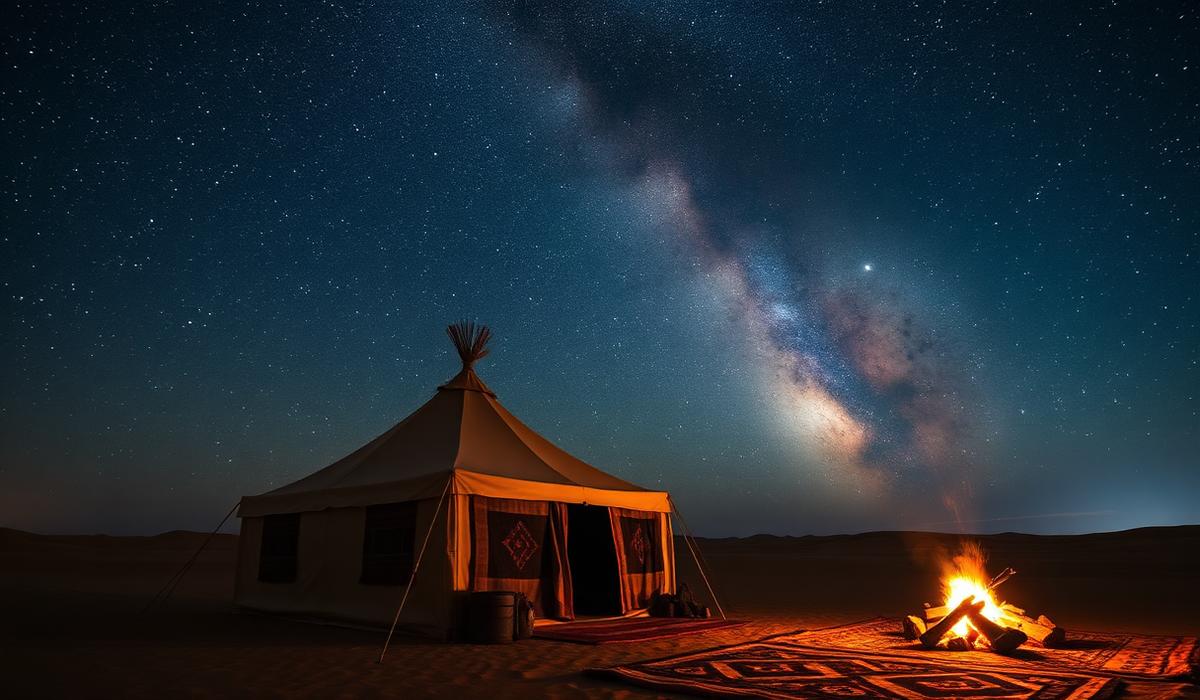
Camp varies enormously by operator. A standard camp gives you a canvas tent, a shared dry toilet block and a mattress on a rug. A 'luxury' camp gives you en-suite bucket showers, proper beds and often a small heater. Both eat the same: tagine, bread, mint tea, and either a small drum circle or a respectful silence depending on your group.
Day 3: Merzouga → Marrakech
Wake before dawn. Climb the nearest dune for sunrise — this is the single best photograph of the whole trip and you only get one shot at it. Ride back to the auberge for breakfast and shower, then begin the long return. Most operators take the southern road through Ouarzazate again; better ones cut north over the Tizi n'Tinififft pass for variety. Expect to arrive back in Marrakech between 7 and 9 p.m. depending on stops.
What It Should Cost in 2025
Group tours (six to sixteen people in a minibus) realistically cost 90–160 EUR per person for the full three days with shared dorm-style desert tent. Private tours in a 4x4 with English-speaking driver-guide are 350–700 EUR per person depending on group size and camp tier. Anything advertised under 70 EUR per person is cutting corners on either the vehicle, the camp or the driver's wages — usually all three.
- Included almost everywhere: transport, breakfast on days 2 and 3, dinner at the camp, one camel ride.
- Not included almost everywhere: lunches, tips for the camel handler (50–100 MAD per person is fair), entrance fees to the Ait Ben Haddou ksar (30 MAD).
- Often a hidden upcharge: 'private' tent at camp, hot shower, transfer from the auberge to the dunes by 4x4 instead of camel.
Packing List for the Desert Night
The single mistake almost every first-time visitor makes is underestimating the temperature swing. Even in May, the dunes drop from 35°C at sunset to 12°C by 4 a.m. In December they drop below freezing. Pack a real fleece or down jacket regardless of season.
- Headlamp with red-light mode (preserves night vision for stargazing).
- Scarf or shemagh — not a tourist accessory, an actual sand shield when the wind picks up.
- Trail runners or light boots; sandals are useless in the dunes after dark.
- Power bank — most camps have no electricity in the tents.
- Refillable 1.5 L water bottle. Operators provide bottled water but a refill saves plastic.
- Wet wipes and a small microfibre towel.
Things Nobody Tells You
The camel ride is shorter and more uncomfortable than influencers suggest. Ninety minutes on a Saharan dromedary is genuinely tiring on the inner thighs — accept it as part of the experience, not as gentle transport. If you have a back condition, ask in advance for the 4x4 transfer; reputable operators offer it without judgement.
Camp Wi-Fi is rare, and even when it exists it is slow. This is a feature, not a bug. Tell your family before you leave that you will be offline for roughly twenty-four hours.
Finally: do not buy a 'fossil' from a roadside seller who runs out of a shack to wave at your minibus. The good fossil workshops are inside the Erfoud industrial zone and clearly signposted; your driver knows them. The roadside material is often resin.
Sustainable Choices on the Route
The Merzouga ecosystem is fragile. Camel overcrowding has compacted dune approaches and pushed wild fennec foxes further from camps. Choose operators who limit their camp size to twenty guests, who pay their camel handlers a posted wage, and who pack out all rubbish — including the foil from the bread oven. If you do not see a rubbish bag being loaded on the camels in the morning, ask why.
Key Takeaways
- Three days is the realistic minimum; two-day versions cut the desert night to a few rushed hours.
- Erg Chebbi at Merzouga is the easier Sahara — Erg Chigaga rewards a fourth or fifth day.
- Fair group-tour price in 2025 is 90–160 EUR per person all-in; private tours 350+ EUR.
- Pack a real warm layer even in summer; the desert drops 20°C overnight.
- Choose small-camp operators who pay handlers transparently and remove waste.
Frequently Asked Questions
Is the Sahara desert tour from Marrakech safe?
Yes. Morocco's southern routes are heavily travelled by tour operators, the roads are well maintained, and there is a permanent gendarmerie presence at most passes. Choose a licensed agency and check for a recent vehicle inspection sticker.
Can I do the Merzouga trip in two days?
Physically yes, but it means sixteen hours of driving in 48 hours and only a couple of hours in the actual dunes. Three days is the minimum that respects both the distance and the experience.
What is the best month to visit the Sahara?
October to early November and March to early May are ideal — warm days, cool nights, minimal sandstorms. December and January are clear but cold at night. Avoid July and August unless you are heat-acclimated.
Do I need a 4x4 to get to Merzouga?
No. The paved road runs all the way to the auberges at the foot of Erg Chebbi. 4x4s are only needed if you want to cross between dune areas or reach the more remote Erg Chigaga.
Keep reading
- Atlas Mountains Toubkal Trek Guide
- Marrakech Medina First-Timer Walking Guide
- All Sahara Desert Tour articles
Sources & references
Plan your Morocco trip
Browse our category guides or get in touch with the editorial team.
Contact usRelated guides
Erg Chigaga vs Erg Chebbi: Which Moroccan Sahara Should You Choose?
A head-to-head comparison of Morocco's two great dune fields — access, scenery, crowds, cost and which one fits your trip.