
Chefchaouen: The Blue City Photography and Culture Guide
How to photograph Morocco's blue city without the crowds, what the blue actually means, and a half-day walking route through the medina's best alleys.
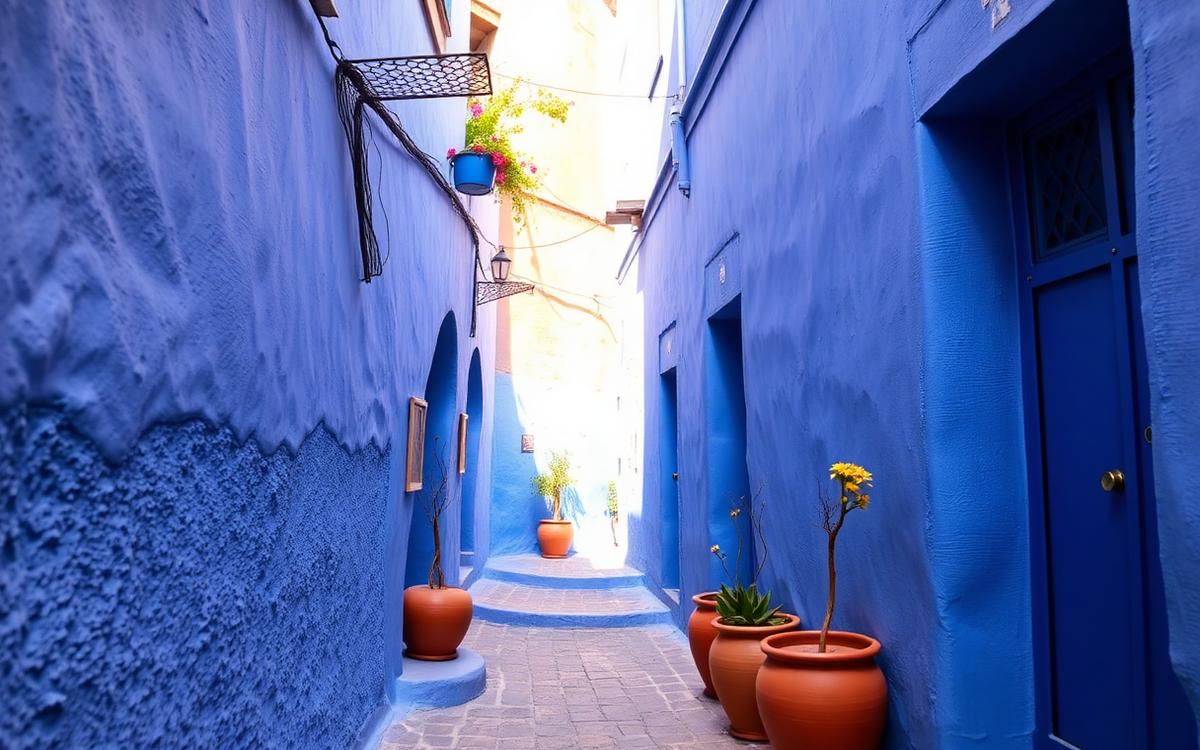
Chefchaouen — Chaouen to locals — is a small Rif mountain town that turned its medina blue sometime in the 1930s and accidentally became one of the most photographed places on earth. The reality on the ground is more interesting than Instagram suggests: a working market town with a strong Andalusian heritage, excellent goat cheese, and a slower rhythm than anywhere else in Morocco.
Why Is Chefchaouen Blue?
There are three competing theories. The most common is that Jewish refugees from 1930s Europe painted the walls blue to symbolise the sky and divinity. The second is older: that the blue lime-wash keeps mosquitoes away. The third is purely modern — that the town discovered tourism in the 1990s and now every spring residents repaint to keep the trade alive. All three are partly true.
Where to Photograph (and When)
The most famous alleys cluster between Place Outa el-Hammam and the upper Kasbah quarter. To photograph them without a crowd in frame, be on the streets between 6:30 and 8:00 a.m. Light is soft, residents are sweeping their stoops, and you have ten minutes per alley before the first tour group arrives.
- Rue Bin Souk — staircase of blue steps framed by flowerpots.
- Rue Bouhali — covered passage with carved blue door.
- Plaza behind the Spanish Mosque (15-minute walk uphill) — best sunset view of the whole town.
Half-Day Walking Route
Start at Bab el-Ain (the main medina gate). Walk up Rue Targui to Place Outa el-Hammam. Visit the Kasbah museum (60 MAD, small but well curated) and climb its tower for a rooftop view. Continue uphill through the residential blue alleys to the Ras el-Maa spring, where Chaouenis still come to do laundry. Cross the bridge and walk up to the Spanish Mosque for sunset. Total walking: 3 hours including stops.
Getting There
CTM buses run from Fes (4 hours, 90 MAD) and Tangier (3 hours, 80 MAD). There is no train station. Most travellers visit Chefchaouen as a 2-night side trip between Fes and Tangier.
What to Eat
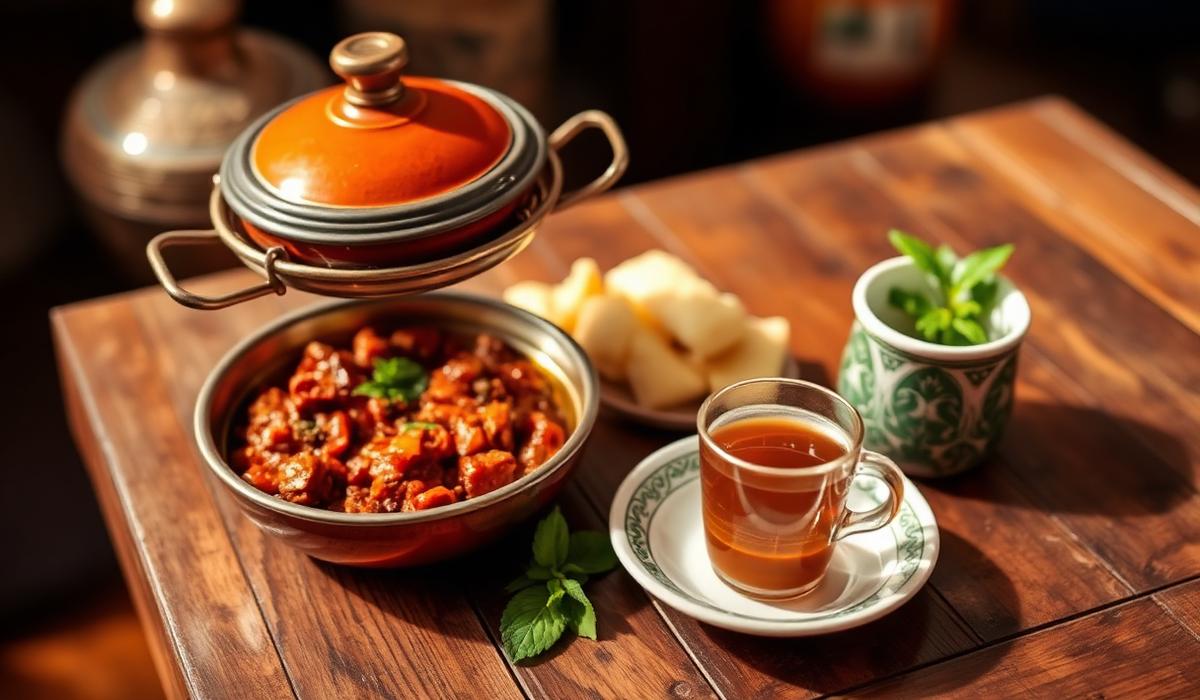
Try the goat cheese (jben), the Rif tagine with prunes and almonds, and the local kefta. Bab Ssour and Sofia are reliable medina restaurants. Mountain water is excellent — refill from the Ras el-Maa spring.
Key Takeaways
- Photograph the alleys before 8 a.m. for empty frames and soft light.
- The blue is a mix of Jewish heritage, mosquito tradition and modern tourism.
- Half a day is enough for the medina; stay 2 nights for the surrounding Rif hikes.
- Climb to the Spanish Mosque for the best sunset view.
- No train — reach Chefchaouen by CTM bus from Fes or Tangier.
Frequently Asked Questions
How long should I stay in Chefchaouen?
Most travellers stay one or two nights. Two nights lets you photograph at dawn and hike in the Talassemtane National Park.
Is Chefchaouen safe?
Very. It is one of the most relaxed towns in Morocco for solo and female travellers. Standard medina precautions still apply.
Can I day-trip Chefchaouen from Fes?
It is possible but tight — 8 hours of round-trip driving for 3 hours in town. An overnight stay is much better.
Keep reading
Sources & references
Plan your Morocco trip
Browse our category guides or get in touch with the editorial team.
Contact usRelated guides
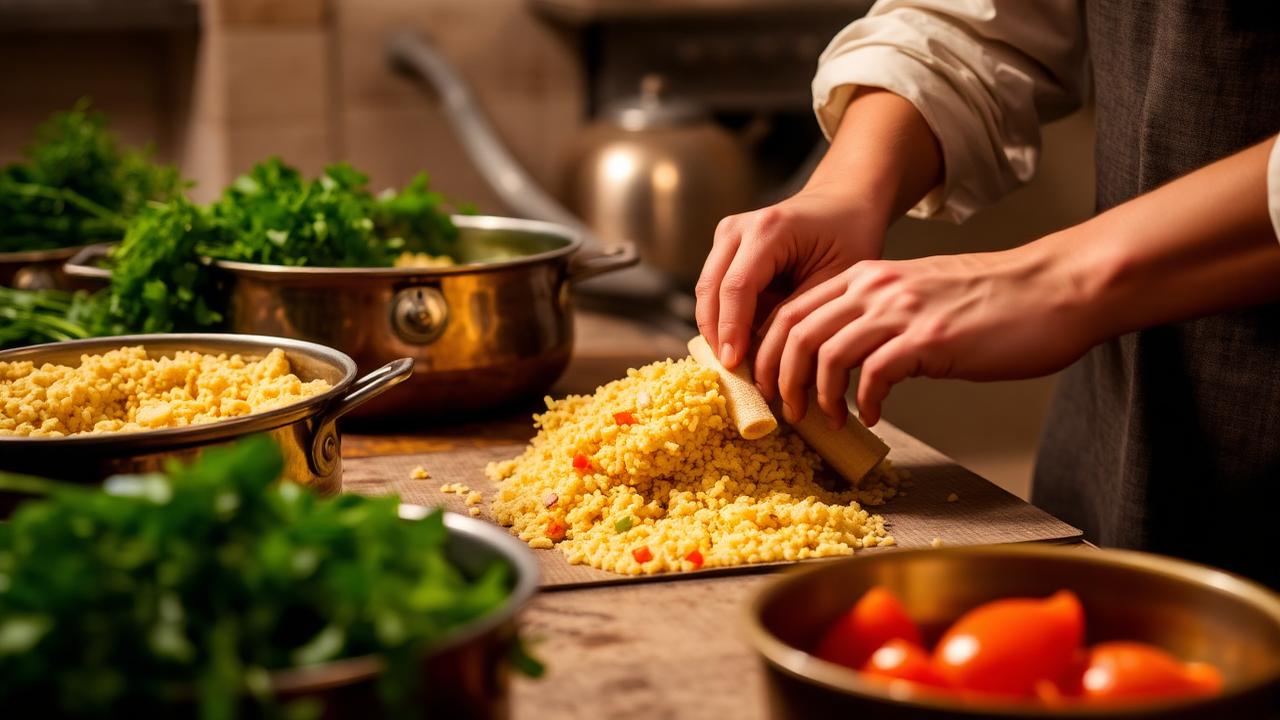
Moroccan Tagine Cooking Classes in Marrakech: How to Pick the Right One
Half-day cooking classes are one of Marrakech's best experiences — here is how to choose a real one over a tourist trap.
Moroccan Hammam Guide: Public vs Riad and What to Expect
A first-timer's guide to the Moroccan steam bath — public hammam, spa riad and how to behave in both.
Best Time to Visit Morocco: A Month-by-Month Guide
Every month of the year, with honest notes on weather, crowds and which regions to prioritise.